
Learning Through Positive Aging
Mental health matters in every stage of life. Learning Through Positive Aging empowers older adults and their caregivers with educational programs and resources to prioritize their well-being, encourage maintaining relationships, and how physical health is important to our mental health as we age.
Benefits of Being Outdoors
Discover how spending outdoors can make a positive impact on your mental, physical, and emotional well-being. This free educational presentation explores how connecting with nature can reduce stress, improve mood, encourage social engagement, and support healthy aging.
Diet & Nutrition
Did you know? Consuming too much sodium and sugar can lead to an increased risk of developing dementia? In this free presentation we dive into the importance of diet and nutritional value of healthy foods and how it impacts us as we age. Discover the essential nutrients older adults need, tips on creating a healthy and balanced meal, foods to limit, and tips on how to shop for healthy foods on a budget.
How to Avoid Online Scams
Technology has advanced dramatically over the last few decades. Now with the rise in use of Artificial Intelligence (AI) scammers are able to scam individuals without being detected, such as social media accounts. This free presentation provides tip and tools on how to spot a scam account, what to do if you were already scammed, and how to enhance your privacy on social media.
Seasonal Resilience
Got the “Winter Blues” or do you know someone who experiences this? The official term for winter blues is Seasonal Affective Disorder (SAD). Learn more about what seasonal depression is, what signs/symptoms to look for, how it effects older adults, how to overcome it, and some resources in the community. Go to “request a presentation” to schedule!
Substance Use & Aging
Learn about the difference between substance use, substance abuse, and substance use disorder, why it is often overlooked, demographics, statistics, and causes and risks of substance use disorders. It is possible for older adults to recover from substance abuse. This also discusses the importance of caregivers because they can help medical staff in addressing any changes in behavior and physical signs.
Positive Aging Beliefs
Did you know? Ageism is one of the last socially acceptable prejudices. In this presentation, we will discuss what ageism is, common older adult stereotypes, how they impact our aging, and learn about how Dr. Becca Levy discovered the difference in aging beliefs between American culture and Japanese culture, and how we can change the way we think about aging.
Caregivers & Self-Care
Being a caregiver can be rewarding, but it is also just as important to take time for your own self-care. This free educational presentation discusses what care-giver burnout is, how to prevent it, how to support someone as a long-distance caregiver, and discovering ways to support your loved one.
Fall Prevention
Fun Fact: There is a name for the fear of falling when an older adult refuses to move due to the fear of recurrent falls and injuries, it is called Post-Fall Syndrome. In this free presentation, learn about the common causes and risk factors associated with falls, tips on how to create a safer home for yourself or the care receiver, and how falling can impact one’s mental health. Take action and exercise to improve balance, mobility, and build confidence to maintain your quality of life.
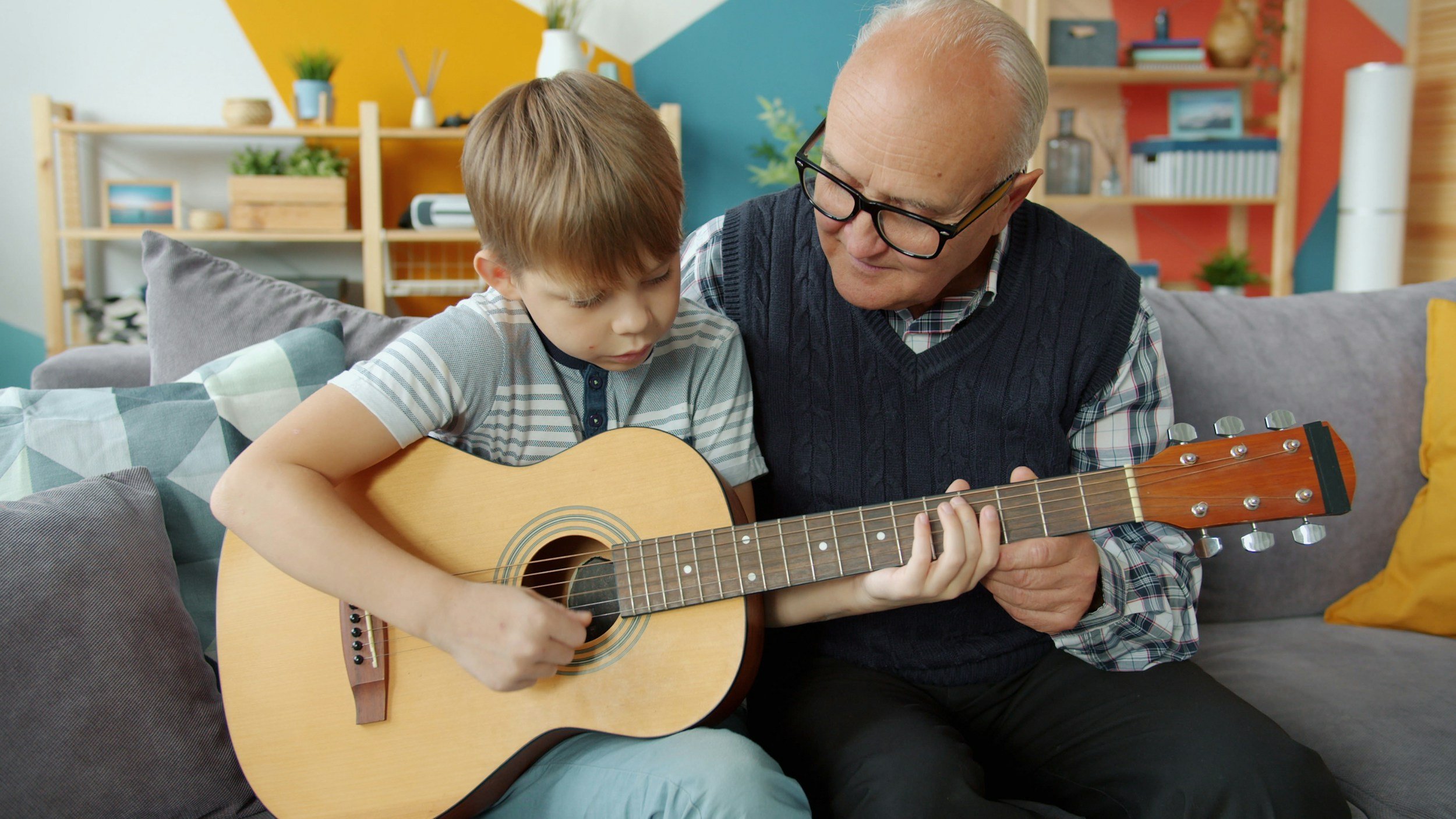
Music Therapy & Aging
Music is more than just a favorite past time, it also has an impact on our mental health and cognitive functioning. Through this free presentation, learn what music therapy is, why it matters as we age, the physical and social benefits, and some limitations of music therapy can have. To tune in, click on the “Request a Presentation” to schedule!
Health & Wellness
This program discusses the benefits and provides tips for eating healthy, staying hydrated, maintaining healthy hygiene, and socializing. Maintaining healthy habits decreases the risk of cancer, improves brain health, ability to maintain independence, and reduces falls and injuries.
Aging & Mental Health
Learn how we change as we age, tips for maintaining healthy aging, changes in physical and mental health, common mental illnesses in older adults, risk factors such as environment changes, ageism, social isolation, and others. Learn about the signs of when to seek help, supporting self-care and well-being, and how friends and family can help their loved ones.
Older Adults & Hoarding
Fun Fact: There are 6 different types of hoarding: animal, food, paper, trash, sentimental, and shopper. Learn more about how hoarding is a mental illness, the causes and risk factors, what a resourceful reuser is, how it can affect the individual and their families, how to let go, tips on decluttering, when it is a concern, and resources available on hoarding, how to seek help, and organizing.

Mental Health Tips and Statistics for Older Adults
Social Isolation affects roughly a quarter of older adults nationally.
How to overcome isolation?
establish a consistent routine
exercise with others
volunteer
adapt to hobbies to best suit your physical limitations.
talk to your healthcare provider to discuss feelings of loneliness and isolation to identify any health-related barriers.
Agism and stereotypes impacts how older adults receive health and mental care by healthcare providers because of assuming certain symptoms are “normal parts of aging” such as memory loss, pain, mobility issues, and fatigue.

The Mediterranean diet is the best diet for older adults because it is packed with healthy fats (olive oil, omega 3s- fish), whole grains/produce rich in fiber, antioxidants, supports the cardiovascular system, and reduces inflammation.
What foods should older adults avoid/ limit? Processed foods that are high in sodium, sugar, and unhealthy fats.
Too much sodium can cause high blood pressure and impacts fluid intake. While too much sugar can cause diabetes.
Too much of both can put individuals at a higher risk of developing dementia.
Did you know?
In Japan they have a specific day for celebrating their older adults in their communities called “Respect for the Aged Day”
Dehydration is a common cause of hospitalization for adults over 65.
Consume water rich foods such as: Watermelons, berries, cucumbers, and oranges
Use a water bottle throughout the day, helps in reminding you to drink and is easily accessible.
Make it more appealing by adding slices of cucumbers, citrus fruits such as oranges, or sliced fruits.
As of 2020, over 5,000 adults over the age of 65 in the U.S. died of drug overdose, and roughly 11,616 died of alcohol-induced causes.
As of 2020, over 5,000 adults over the age of 65 in the U.S. died of drug overdose, and roughly 11,616 died of alcohol-induced causes
The death rates from Fentanyl and other synthetic drug death rates in older adults (65+) have increased 53% from 2019-2020

Healthy Eating on a Budget
Check grocery store weekly ads
Make a list
Buy generic
Use unit pricing
Plan ahead
See what needs to be used
Look for sale items in the flyers
Stick to your shopping list
***Meal Prep: double the recipe and freeze the extra portion and serve later in the month.
Social Connection
-
![]()
Stay Connected
Call your friends and family daily
Join local groups & classes
Consider volunteering
Take a class on something new -
![]()
Caregiver Self-Care
Keep up with your own health
Exercise
Reach out for support
Set boundaries
It is okay to say “no” -
![]()
Being Outdoors
Improves mood
Lowers levels of anxiety and depression
Enhances memory and brain function
Decreases risk of Alzheimer’s and other diseases that cause dementia
Sunlight is the body’s primary source of Vitamin D -
![]()
Health & Wellness
Exercise prevents bone loss: fewer fractures and breaks
reduces risk of falls
Nearly 1 out of 4 adults 65 and over are malnourished or at risk of being malnourished.
Having a routine for bathing, oral care, and changing into clean clothes can make hygiene tasks feel manageable and less overwhelming. Creating the routine around the individual’s preferences (i.e. bathing/showering in the morning) can make the individual feel more independent and comfortable.



Resources


If you or someone you know suspects elder abuse, call the Elder Abuse Helpline
1-800-490-8505